An official website of the United States government


 ) or https:// means you've safely connected to the .mil website. Share sensitive information only on official, secure websites.



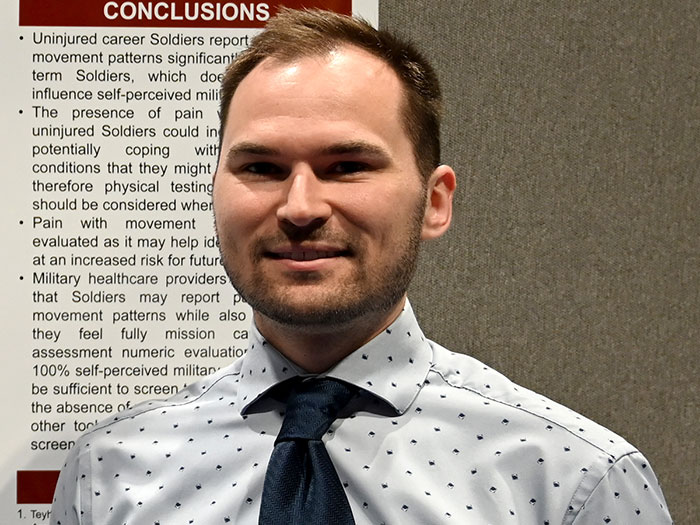
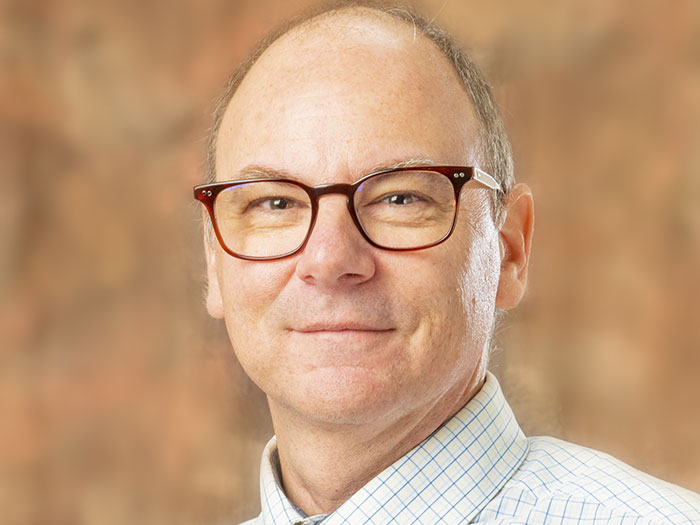
Behind the Science with Sean Langan, Ph.D., Research Fellow in the Military Performance Division
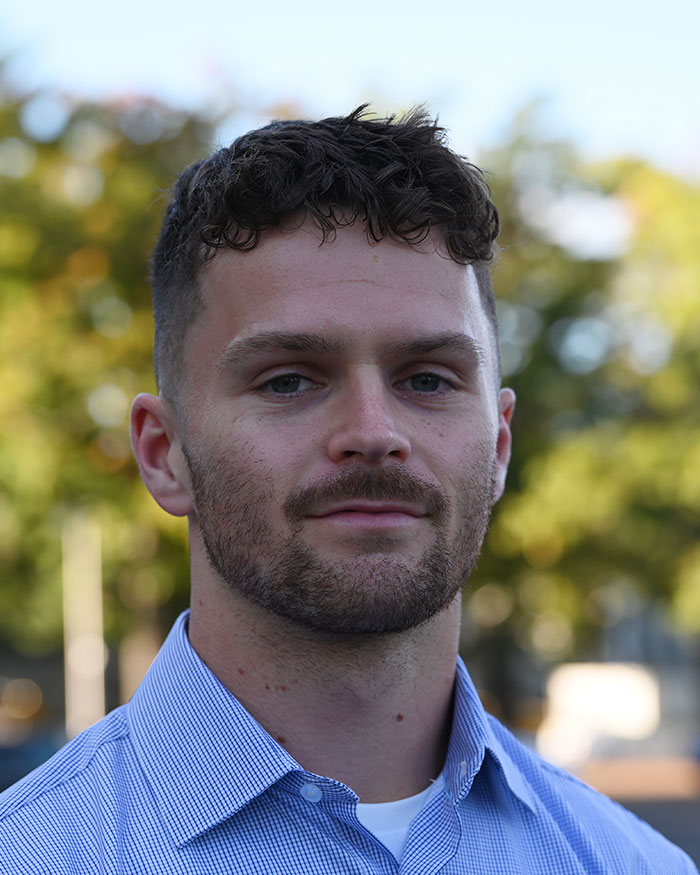
I love the collaborative nature of USARIEM and getting to work with and learn from people with different backgrounds -- we have some of the top scientists in the world in their respective fields.
The most gratifying aspect is probably the dedicated mission of our research. Our findings are applicable and translate to real-world outcomes.
How long have you been at the U.S. Army Research Institute of Environmental Medicine?
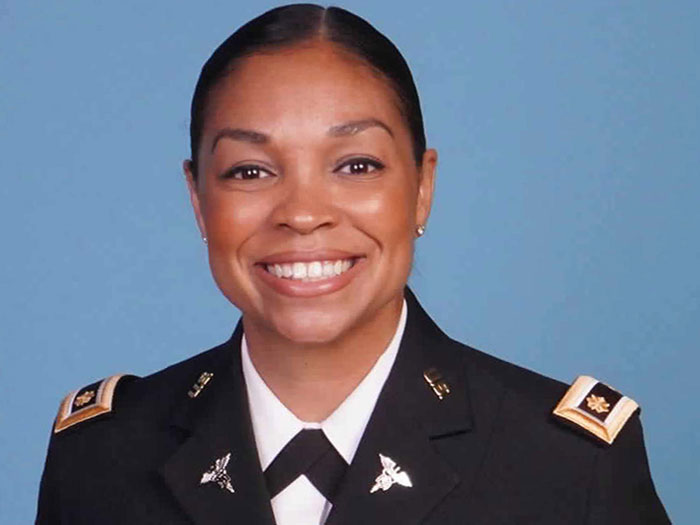
I started working here as an Oak Ridge Institute for Science and Education Fellow in the Military Performance Division with Dr. Beth Beidleman, Research Physiologist, at the end of June 2024. Funny enough, Col. Rosser and I started on the same day.
How did you become interested in Soldier Nutrition and Performance?
During my Ph.D., I worked on several DoD-funded studies on the effects of heat and cold stress, which piqued my interest in environmental physiology. Soldiers have to perform at a high level–physically and mentally—in some of the most severe conditions on earth, so it is the perfect kind of research for someone interested in how to mitigate the detrimental effects of extreme environments on human performance and health.
What projects are you currently working on?
We finished data collection for an altitude study where the goal is developing an algorithm and biomarkers to predict acute mountain sickness. We're also planning future studies looking at the effects of certain medications on health and performance at altitude, reliability of blood oxygen sensors, and biomarkers that identify when a soldier is acclimatized to the heat and cold or predict heat/cold injuries.
What aspects of your job do you love and find most gratifying?
I love the collaborative nature of USARIEM and getting to work with and learn from people with different backgrounds. We have some of the top scientists in the world in their respective fields all in the same building and collaborate with amazing teams outside of the institute, like Walter Reed Army Institute of Research and the University of New Mexico. The most gratifying aspect is probably the dedicated mission of our research. Our findings are applicable and translate to real-world outcomes.
What part of your job do you find to be the most difficult?
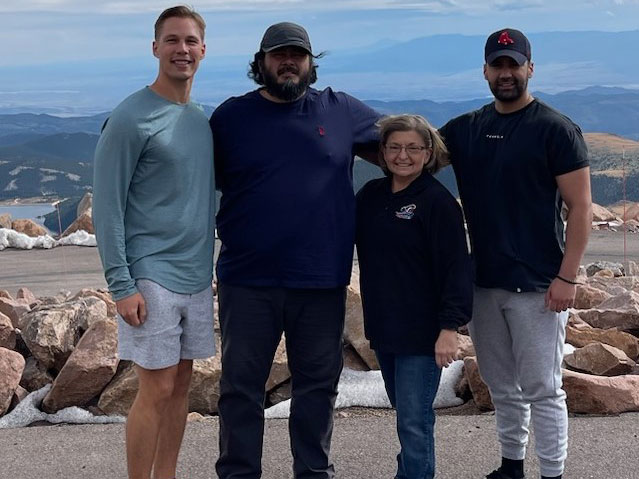
The only real difficult part so far was waking up at 4:00 a.m. every day to drive up the mountain at Pikes Peak for our summer data collection. The sleep deprivation and hypoxia combination threw a wrench in my normal exercise routine, but it was still an amazing experience, and I can't wait to go back.
When you are not at the Institute, what do you like to do for fun?
As long as I can get outside and be active, I'm pretty happy. Most of my free time is spent exercising. I love to run, row, lift weights and get outside on my road bike. Other than that, I'll hike occasionally, try new restaurants, go to the beach, and maybe I'll take up skiing or snowboarding because everyone here seems to do it besides me.
2025


2024

2023